What Is BS Radiography and Imaging Technology?
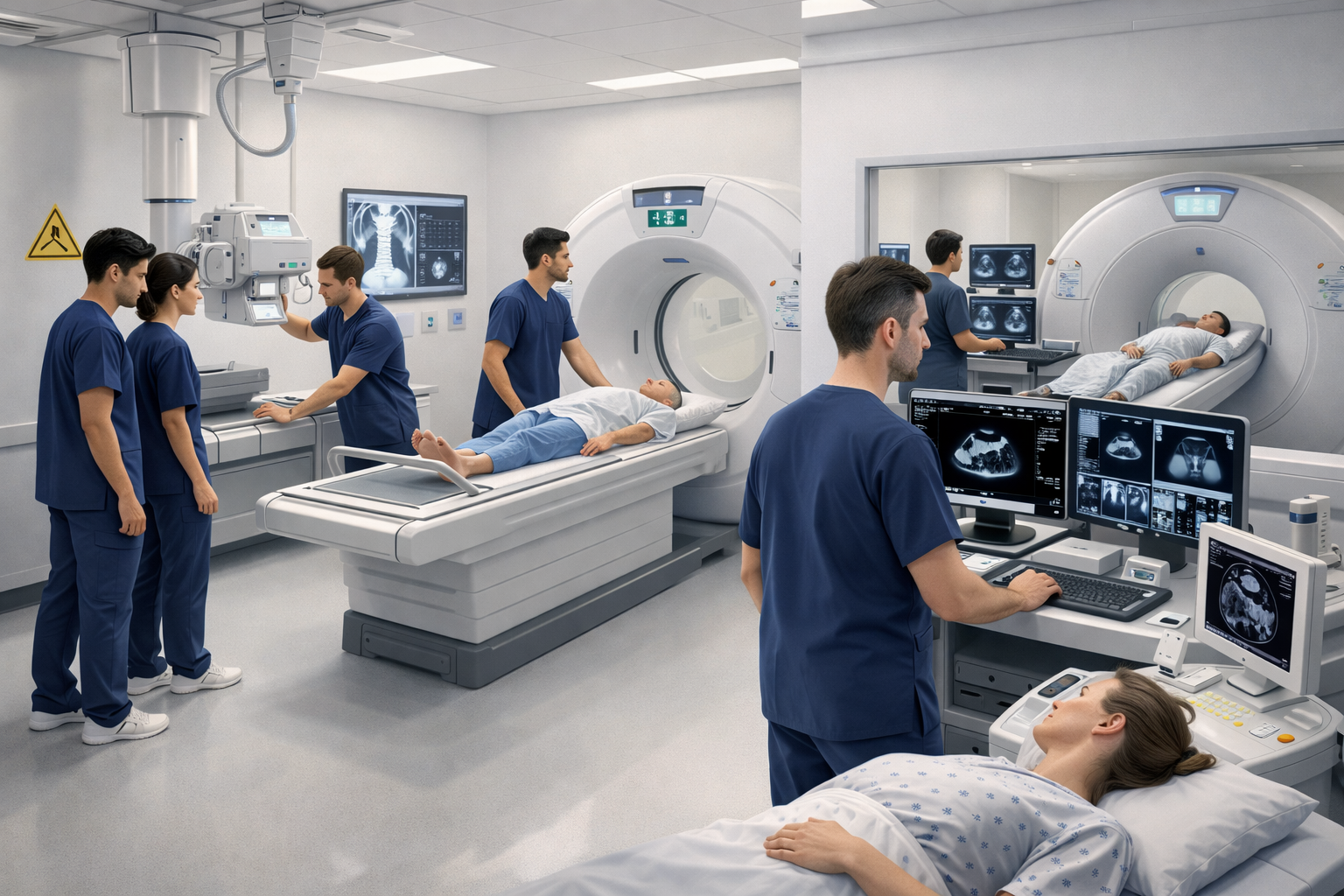
Modern healthcare depends heavily on accurate diagnosis, and medical imaging plays a vital role in this process. BS Radiography and Imaging Technology is an undergraduate degree designed to train students in producing high-quality diagnostic images using advanced imaging equipment. This program prepares skilled professionals who assist doctors in identifying diseases, injuries, and medical conditions efficiently.
Understanding BS Radiography and Imaging Technology
BS Radiography and Imaging Technology is a four-year bachelor’s degree that focuses on the scientific and technical aspects of medical imaging. The program equips students with knowledge of human anatomy, imaging procedures, radiation physics, and patient care. Graduates learn how to safely operate imaging machines while ensuring patient comfort and accurate diagnostic results.
Program Structure and Learning Areas
The degree combines theoretical education with practical clinical training to ensure comprehensive learning.
Basic Medical Sciences
Students study core subjects such as anatomy, physiology, pathology, and medical terminology. These subjects help build a strong foundation for understanding how imaging technologies visualize internal body structures.
Imaging Modalities
The program trains students in multiple diagnostic imaging techniques, including:
- X-ray and conventional radiography
- Computed Tomography (CT)
- Magnetic Resonance Imaging (MRI)
- Ultrasound imaging
- Fluoroscopy and mammography
Each modality plays a specific role in diagnosing different medical conditions.
Radiation Safety and Ethics
A key component of the program is radiation protection. Students learn how to minimize radiation exposure for patients and healthcare staff while maintaining high image quality. Ethical conduct and professional responsibility are also emphasized.
Clinical Training
Hands-on clinical practice allows students to apply their knowledge in real healthcare settings. Under professional supervision, students gain experience in operating imaging equipment, positioning patients correctly, and following safety protocols.
Importance of Radiography in Healthcare
Radiography and imaging technology are essential for early diagnosis and treatment planning. Imaging professionals support physicians by providing accurate images that help detect fractures, tumors, infections, and internal abnormalities. Their work directly impacts patient outcomes and treatment effectiveness.
Career Opportunities After BS Radiography
Graduates of BS Radiography and Imaging Technology can pursue various career paths in the healthcare sector, including:
- Radiologic Technologist
- CT Scan Technologist
- MRI Technologist
- Ultrasound Technologist
- Imaging Department Assistant
Employment opportunities are available in hospitals, diagnostic centers, emergency units, clinics, and research institutions. With experience, graduates may advance into supervisory, teaching, or specialized imaging roles.
Who Should Choose This Degree?
This program is ideal for students who:
- Have an interest in healthcare and medical technology
- Enjoy working with advanced machines and equipment
- Possess strong attention to detail
- Want a stable and respected healthcare career
Final Thoughts
BS Radiography and Imaging Technology is a valuable healthcare degree that combines science, technology, and patient care. It prepares students to become essential members of the medical team by supporting accurate diagnosis and effective treatment. For those interested in diagnostic sciences and modern medical technology, this program offers a rewarding and impactful career path. read more