


Mental Health Awareness and Workplace Well-Being for Administrative Staff
Mental health is an essential component of overall well-being, and its importance in the workplace cannot be overstated. Administrative staff play a vital role in the smooth functioning of institutions, often managing multiple responsibilities and high demands that can impact their psychological health. Promoting mental health awareness and workplace well-being is crucial not only for individual staff members but also for creating a productive, supportive, and thriving organizational culture.
The pressures of administrative work, including tight deadlines, multitasking, and sustained interactions with students and colleagues, can contribute to stress, burnout, and reduced job satisfaction if workplace well-being is not prioritized. Recognizing this, organizations are increasingly taking proactive steps to raise awareness, support mental wellness, and cultivate environments where staff members feel valued, heard, and empowered.
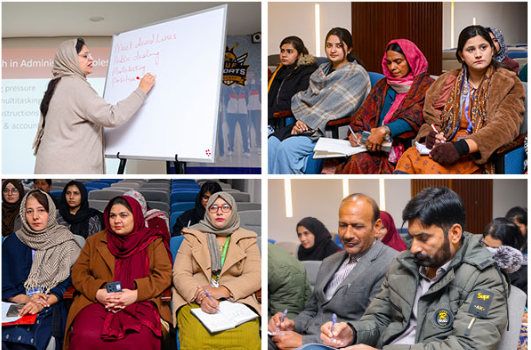
Understanding Mental Health at Work
Mental health refers to emotional, psychological, and social well-being—how individuals think, feel, and act. In a work setting, positive mental health allows staff to cope with daily stresses, work productively, and contribute meaningfully to institutional goals. Conversely, poor mental health can lead to fatigue, reduced focus, absenteeism, and a decline in job performance.
Enhancing mental health awareness means acknowledging common challenges such as stress, anxiety, and burnout, and providing tools and resources that enable staff to navigate these issues confidently and constructively.

Key Strategies to Promote Well-Being
Encouraging Open Dialogue
Creating safe spaces for open conversations about mental health helps reduce stigma and encourages staff to seek support when needed. Training sessions, workshops, and regular check-ins can enhance mutual understanding and foster a culture of empathy.
Supportive Leadership and Policies
Effective leadership plays a critical role in workplace mental health. Leaders who demonstrate compassion, flexibility, and clear communication set the tone for a healthy work environment. Policies that allow balance between work responsibilities and personal life are essential for long-term well-being.
Wellness Programs and Resources
Instituting wellness programs—such as stress management workshops, mindfulness sessions, or access to counseling services—can empower staff to prioritize their mental health. These resources make it easier for individuals to build coping mechanisms and strengthen resilience.
The Link Between Workplace Well-Being and Organizational Success
When administrative staff feel supported and mentally healthy, they are better equipped to perform their duties effectively, collaborate with colleagues, and contribute to institutional excellence. Mental well-being directly influences job satisfaction, productivity, and innovation, making it a core aspect of workplace health.
Connection to Decent Work and Economic Growth
Prioritizing mental health and well-being aligns with the broader principle of Decent Work and Economic Growth, as healthy employees are more engaged, motivated, and capable of delivering consistent performance. A work environment that supports psychological well-being contributes to sustainable productivity and enhances an institution’s capacity to grow ethically and responsibly.
Investing in staff well-being is an investment in the future of the organization, helping ensure that employees are not only productive but also respected, supported, and empowered to achieve their full potential.
Final Thoughts
Mental health awareness and workplace well-being are essential elements of a thriving professional environment. By fostering open communication, supportive leadership, and wellness initiatives, organizations can create a culture that values the whole person—not just the work they perform.
Supporting the mental health of administrative staff is not only a compassionate choice but a strategic one. When well-being is prioritized, individuals flourish, teams become more effective, and the institution moves closer to achieving its mission with strength and resilience. Raed more
