Duration, Structure & Requirements of PhD Nutrition Program
Introduction
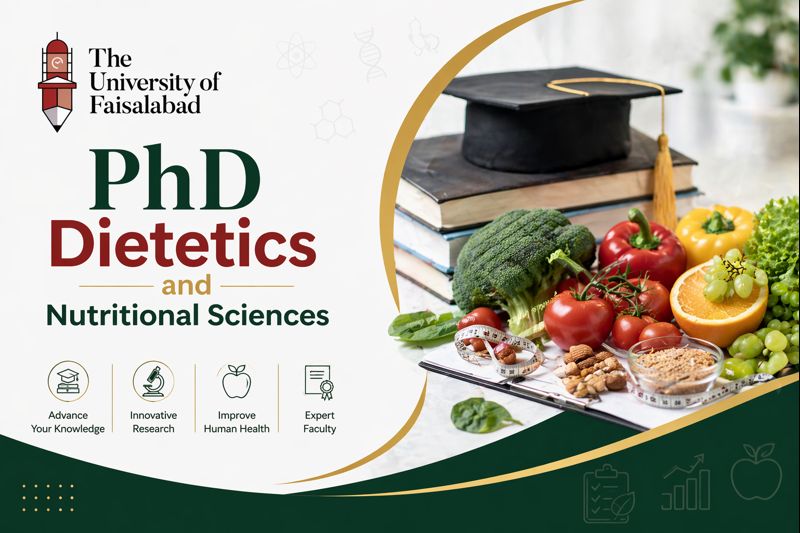
Pursuing a PhD is a major academic step for students who want to specialize in advanced research and professional excellence. The PhD Dietetics and Nutritional Sciences program is designed to develop experts in nutrition science, clinical research, and public health. This program equips scholars with the ability to address complex health challenges through evidence-based research.
Duration of PhD Nutrition Program
The duration of a PhD in Nutrition generally ranges from 3 to 5 years, depending on the university and the nature of the research work.
The timeline is usually divided into:
- Coursework Phase (1–2 years)
- Research Phase (2–3 years)
The duration may vary depending on the student’s research progress and thesis completion.
Structure of PhD Nutrition Program
The structure of the PhD program is designed to ensure both academic excellence and research competency.
1. Coursework
In the initial phase, students study advanced subjects such as:
- Advanced Human Nutrition
- Nutritional Biochemistry
- Research Methodology
- Public Health Nutrition
- Clinical Dietetics
This phase builds a strong theoretical foundation.
2. Comprehensive Examination
After coursework, students must pass a comprehensive examination to assess their subject knowledge and readiness for research.
3. Research Proposal
Students develop a detailed research proposal on a specific topic in nutrition science. This proposal is reviewed and approved by a panel of experts.
4. Thesis and Research Work
The core of the PhD program is the research phase where students:
- Conduct original research
- Analyze data
- Present scientific findings
5. Thesis Defense
At the end of the program, students defend their thesis before a panel. Successful defense leads to the award of the PhD degree.
Requirements for PhD Nutrition Program
Students must fulfill certain criteria to get admission into a PhD program.
Academic Requirements
- MS/MPhil in Nutrition or related field
- Minimum required CGPA
- Strong academic background
Entry Test and Interview
Most universities require:
- Passing an entry test or GAT
- Interview with faculty members
Skills Required
To succeed in this program, students should have:
- Research and analytical skills
- Critical thinking
- Communication skills
- Strong dedication to research
Institutions like The University Of Faisalabad provide excellent academic environments, experienced faculty, and research facilities to support PhD scholars.
Importance of PhD in Nutrition
A PhD in Nutrition opens doors to advanced career opportunities such as:
- University Professor
- Research Scientist
- Clinical Specialist
- Public Health Expert
- Policy Advisor
It enables professionals to contribute to solving critical health issues like malnutrition and chronic diseases.
Contribution to Sustainable Development Goals
PhD programs in nutrition also contribute to global initiatives such as sustainable development. Through research and innovation, students can play a role in achieving goals related to health, well-being, and global partnerships. You can explore more about this initiative, which highlights the importance of collaboration in addressing global challenges.
Conclusion
The PhD Nutrition program is a structured and research-focused degree that prepares students for leadership roles in academia, healthcare, and research sectors. With its comprehensive curriculum and strong research emphasis, it is an ideal choice for those who want to make a lasting impact in the field of nutrition. For more informative articles and academic guidance, visit our blog section.