


How a PhD in Urdu Prepares You for Higher Education Leadership and Critical Writing
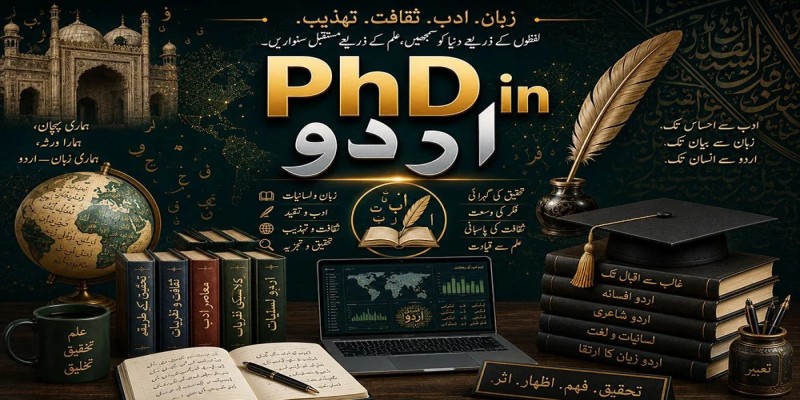
Higher education in Pakistan is rapidly evolving, creating a strong demand for academic leaders who combine deep cultural insights with advanced research and analytical skills. While traditional perception often links doctoral studies in literature purely to teaching, pursuing a PhD Urdu serves as a robust platform for developing critical writing skills and stepping into senior administrative and academic leadership roles.
Cultivating Advanced Critical Writing and Research Skills
At the doctoral level, studying Urdu literature transcends the basic appreciation of poetry and prose. It involves rigorous text analysis, historiography, literary theory, and philosophical critique. Doctoral candidates systematically evaluate complex classical and modern texts, synthesizing diverse perspectives into coherent academic arguments.
The requirement of producing high-impact research papers and a comprehensive dissertation establishes lifelong expertise in structured, evidence-based academic writing. Modern Urdu research frequently intersects with sociology, history, and post-colonial studies, training scholars to articulate multi-layered ideas clearly. These advanced writing skills allow scholars to publish in prestigious journals, draft policy frameworks, and effectively communicate complex ideas across academic platforms.
Transitioning from Literature to Higher Education Leadership
The skills honed during a PhD program directly map to the core competencies required in academic administration and institutional leadership. Institutions that prioritize holistic academic growth, such as The University Of Faisalabad, understand that modern universities need leaders who grasp human dynamics, institutional vision, and structured communication. The deep understanding of cultural history and philosophy gained through literature helps in designing inclusive curricula and institutional policies.
Mastery over persuasive writing and articulate speech directly translates into success when drafting university reports, grant proposals, and public communications. Furthermore, the critical analysis of human psychology through literary study assists leaders in managing faculty relations, student affairs, and administrative disputes with empathy and strategic insight.
Academic Opportunities and Career Advancement
Modern doctoral programs are structured to equip scholars with both research mastery and leadership potential by emphasizing analytical methodologies, critical writing, and modern pedagogical techniques. For professionals and scholars aiming to make a lasting impact in academia, securing a seat through TUF Admission marks a decisive step toward unlocking opportunities in university governance, departmental leadership, and high-level educational strategy.
Conclusion
A PhD in Urdu is far more than an academic milestone; it is a transformative qualification that refines critical thinking, elevates scholarly writing, and builds the strategic mindset necessary to lead modern higher education institutions. By bridging the gap between classical literary mastery and contemporary administrative demands, doctoral graduates are uniquely equipped to shape the future of academia. Enrolling in a doctoral journey empowers scholars to become influential voices in policy development, institutional management, and national research excellence.
