


Mental Fitness Over Academic Pressure: Overcoming Burnout in the Semester System
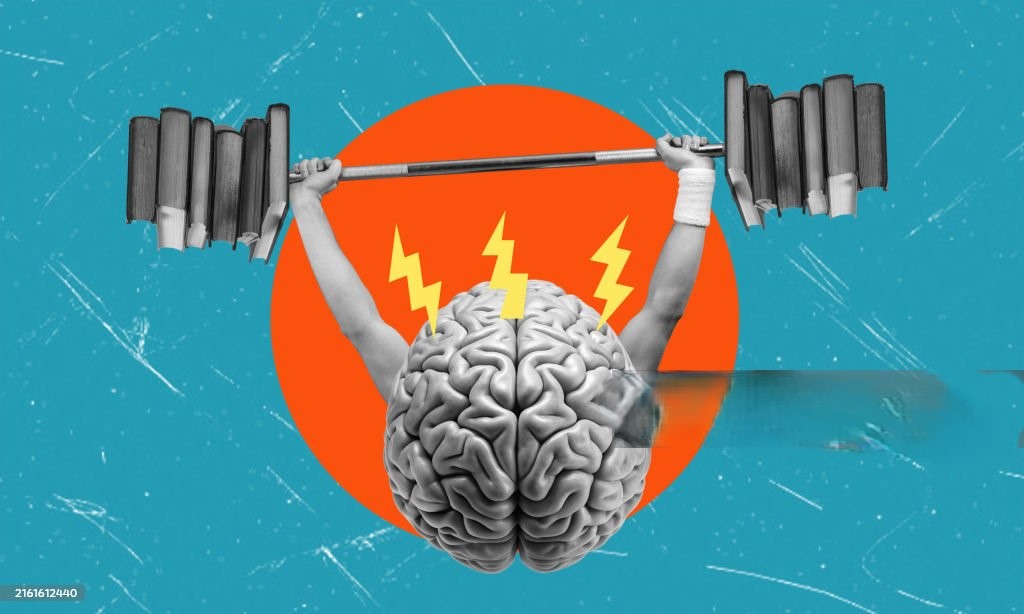
Life in a modern university semester system can often feel like an endless race. The moment one quiz ends, a major assignment is already due, and before you know it, the pressure of midterms and final exams is knocking at your door. In Pakistan, where academic competition is incredibly fierce, this relentless routine frequently pushes students into a state of chronic exhaustion known as academic burnout.
However, your mental fitness is just as important, if not more so, than your GPA. If your mind is exhausted, even the most exciting syllabus becomes an overwhelming burden. Let’s explore what academic burnout looks like, how it affects different fields of study, and how students can overcome it to protect their mental well-being.
Recognizing the Signs of Academic Burnout
Burnout is much more than just a typical bad day or temporary tiredness. It is a state of emotional, physical, and mental exhaustion caused by excessive and prolonged academic stress. Many students suffer from it without even realizing what they are going through.
Common warning signs of academic burnout include:
Persistent Fatigue
Feeling physically and mentally drained even after getting 8 hours of sleep.
Loss of Motivation
Waking up with an immediate dread of attending lectures, participating in discussions, or studying.
The “Brain Fog” Effect
Finding it incredibly difficult to focus during exams or find creative solutions to simple assignments.
Increased Irritability
Getting easily frustrated with group partners, friends, or family members over minor things.
If you are experiencing these symptoms, your mind is actively signaling you that it is time to slow down, rest, and reset.
Technical Screen Fatigue: The IT Student’s Challenge
Students pursuing modern digital fields face a unique kind of exhaustion: screen fatigue. Spending consecutive hours staring at monitors, writing code, debugging programs, or troubleshooting networks can take a heavy toll on both physical and mental health.
This is a frequent hurdle for students in advanced technical programs like the BS Information Technology degree. Balancing complex programming languages, database management, and hands-on laboratory work requires intense, non-stop mental focus.
To combat this digital burnout, IT students must actively practice the “20-20-20 Rule”: Every 20 minutes, take a 20-second break to look at something at least 20 feet away. This simple practice relaxes eye muscles, reduces tension headaches, and gives your brain a much-needed momentary rest from the digital screen.
High-Pressure Routines in Allied Health Sciences
Healthcare programs are famously rigorous. Students in these fields are not only required to master vast theoretical concepts but must also transition into intense practical environments.
For those pursuing demanding clinical paths like the Doctor of Physical Therapy (DPT) or the Doctor of Pharmacy (PharmD), the pressure of clinical rotations, lab work, and patient safety can become overwhelming. Students in these departments must remember that to take care of others, they must first prioritize their own mental fitness and basic biological needs.
The Multitasking Trap in Business & Management
Management and administration studies require a high level of multitasking. Students are expected to navigate group dynamics, lead class presentations, analyze real-world case studies, and manage strict project deadlines simultaneously.
For future healthcare administrators studying BS Healthcare Management, learning how to balance heavy coursework with stress-relief strategies is crucial to avoiding early-career exhaustion. Because managing healthcare facilities requires dealing with both medical emergencies and administrative budgets, learning proper time-management tools during student life is an absolute necessity.
Understanding the Mind: Insights from Psychology
Overcoming burnout requires a fundamental understanding of how our brain handles stress. Interestingly, students in the BS Psychology program study these very mental patterns, coping mechanisms, and behavioral cycles.
Whether you are studying human behavior or engineering, taking care of your mental health is a daily practice. Here are a few actionable steps you can incorporate into your busy routine:
Establish Clear Screen-Free Boundaries
Dedicate at least one hour every evening to completely disconnecting from your phone, laptop, and books. Use this time to walk outside, listen to relaxing music, or talk to family.
Incorporate Light Physical Activity
A quick 15-to-20-minute walk around campus releases endorphins, the body’s natural stress-busters, which can instantly clear a foggy mind.
Never Compromise on Sleep
Your brain consolidates memory and processes the information you learned during the day while you sleep. Aim for 7 to 8 hours of quality rest every single night, especially during exam weeks.
Our Commitment: Prioritizing Student Well-Being
A truly progressive university does not just focus on academic excellence; it actively supports the mental, physical, and emotional well-being of its students.
At The University of Faisalabad, we firmly believe that professional success is only sustainable when students are mentally healthy and supported. This is why we provide a nurturing campus environment equipped with dedicated student counseling services, approachable faculty members, and a vibrant range of sports and co-curricular activities.
Academic growth is important, but your mental peace and happiness always come first. The next time you feel overwhelmed by semester deadlines, take a deep breath, step away from your desk, and give your mind the rest it deserves!
Conclusion
Ultimately, academic performance should never come at the cost of your mental sanity. The semester system is designed to test your consistency and adaptability, but it should not break your spirit. Whether you are navigating complex code, analyzing patient charts, managing clinics, or exploring human psychology, your well-being is the engine that keeps your career moving forward. By learning to recognize the signs of burnout, establishing healthy personal boundaries, and utilizing campus support systems, you can easily transform your university years from a stressful race into a rewarding journey of self-discovery. Take a breath, trust your pace, and remember that true success is about growing both academically and emotionally.
