Green Engineering & Sustainable Architecture: Why Pakistan Needs It Now
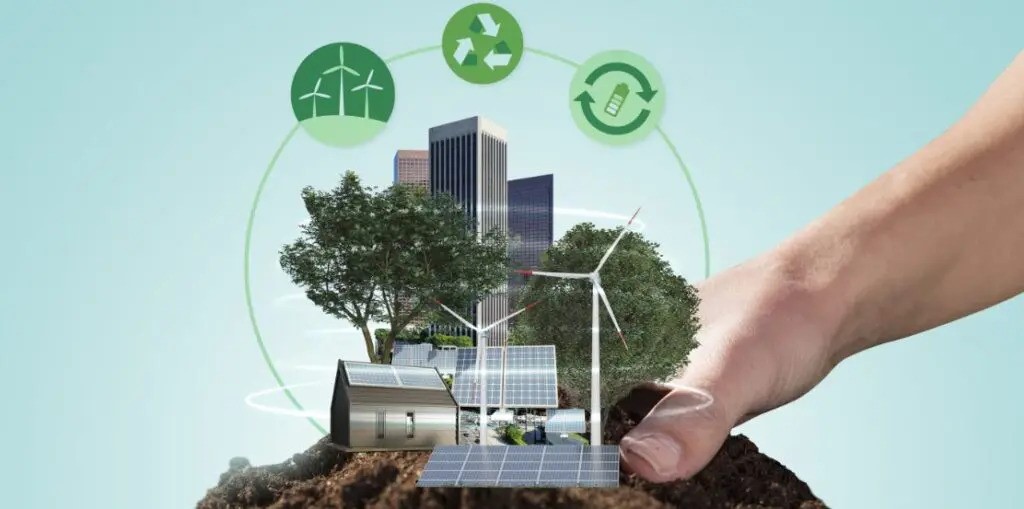
Pakistan stands at a critical crossroads in its developmental history. As the impacts of global climate change accelerate, the nation finds itself disproportionately vulnerable to extreme weather events, shifting monsoon patterns, unprecedented heatwaves, and severe water scarcity. The devastating floods of recent years and the persistent, toxic smog choking major urban centers like Lahore and Faisalabad are stark reminders that traditional methods of development are no longer viable.
The built environment, encompassing everything from residential housing complexes to massive industrial corridors, plays a massive role in resource depletion and carbon emissions. To safeguard its future, economic stability, and public health, Pakistan must urgently transition toward green engineering and sustainable architecture. This paradigm shift is no longer a luxury or a niche trend reserved for developed economies; it is an absolute survival imperative for Pakistan.
The Escalating Energy Crisis and Building Design
To understand why Pakistan needs this transition immediately, one must examine the compounding crises the country faces. The national grid is perpetually strained, characterized by circular debt and a chronic supply-demand gap that leads to debilitating power outages. Conventional architecture relies heavily on mechanical heating, ventilation, and air conditioning systems powered by an expensive, fossil-fuel-dependent grid.
By adopting sustainable architecture, Pakistan can drastically reduce the cooling loads of buildings. Passive design strategies, such as optimizing building orientation to capture prevailing winds, utilizing thermal mass to regulate indoor temperatures, and integrating shading devices, can cut energy consumption significantly. These simple structural adjustments can lower the temperature inside a building by several degrees without any electricity.
Addressing Severe Water Scarcity Through Engineering
Furthermore, Pakistan is rapidly transitioning from a water-stressed to a water-scarce country. Conventional engineering rarely prioritizes water conservation, allowing vast amounts of greywater and rainwater to go to waste. Green engineering introduces closed-loop water systems, low-flow fixtures, and localized wastewater treatment plants that allow buildings and communities to recycle water for non-potable uses like irrigation and sanitation.
Implementing these practices on a macro scale would relieve immense pressure on the dwindling Indus River basin and depleted urban aquifers. Capturing rainwater at the community level also helps prevent urban flooding during intense monsoon spells. By treating water as a circular resource rather than a disposable commodity, green engineering secures the liquid lifeline of Pakistan’s expanding cities.
Managing Rapid Urbanization Safely
Urbanization is another unstoppable force driving this urgency. As millions migrate to cities in search of economic opportunities, the demand for housing, infrastructure, and commercial spaces is skyrocketing. If this urban expansion follows the traditional, unsustainable blueprint, it will lead to irreversible environmental degradation, concrete jungles that amplify the urban heat island effect, and unmanageable levels of municipal waste.
Sustainable High-Density Developments
Sustainable architecture offers a way to accommodate this growing population through high-density, eco-friendly developments that preserve green spaces and incorporate natural ecosystems into the urban fabric. These developments integrate vertical greening and shared public parks, which actively lower ambient city temperatures and improve local air quality.
Smart Master Planning
Smart master planning also reduces the need for long vehicular commutes by creating self-contained, walkable communities. This structural evolution significantly drops urban carbon emissions while simultaneously elevating the quality of life for daily citizens.
The Core Principles of Green Engineering
Implementing green engineering in Pakistan requires a tailored approach that respects the local climate, available resources, and economic constraints. The first core principle is life-cycle thinking. Engineers must evaluate the environmental impact of a project from the extraction of raw materials through construction, operation, and eventual demolition.
This prevents short-sighted decisions where a building is cheap to construct but prohibitively expensive and environmentally damaging to maintain over its lifespan. By calculating the total ecological cost upfront, engineers can choose materials and systems that offer long-term durability. This shift in mindset transforms infrastructure from a continuous economic drain into a permanent national asset.
Utilizing Indigenous and Sustainable Materials
Another vital principle is the optimization of material resources. Pakistan possesses a rich heritage of indigenous, sustainable building materials that have been largely forgotten in favor of energy-intensive concrete and steel. Materials like sun-dried earth bricks, lime plaster, bamboo, and compressed earth blocks have excellent thermal properties and a fraction of the carbon footprint of conventional materials.
Modernizing Traditional Techniques
Green engineering champions the modernization and structural standardization of these local materials. It blends traditional wisdom with contemporary engineering techniques to create affordable, eco-friendly housing solutions that are natively suited to the harsh regional climate.
Benefits of Compressed Earth
For instance, compressed earth blocks provide exceptional insulation against summer heatwaves while requiring minimal fuel to manufacture compared to standard baked clay bricks. Reviving these materials also cuts down the national reliance on expensive imported building components.
Reducing Construction Waste and Recycling
Waste reduction and the promotion of a circular economy within the construction sector are equally critical. The demolition of old structures in expanding cities generates millions of tons of debris that typically end up in unauthorized landfills or clog natural waterways. Green engineering practices mandate the recycling and reuse of construction and demolition waste.
Coarse aggregates from old concrete can be crushed and reused in new foundations. At the same time, industrial byproducts like fly ash from power plants can be blended into cement to reduce its overall carbon intensity. This practice prevents natural resource depletion while solving the massive urban challenge of solid waste management.
Climate-Adaptive Architectural Strategies
Sustainable architecture in Pakistan must be inherently adaptive. The country experiences diverse climatic zones, ranging from the arid plains of Sindh and Punjab to the temperate and alpine regions of the north. A one-size-fits-all approach does not work. In the scorching plains, architects must focus on high thermal mass, deep overhangs, and courtyard planning.
Natural Ventilation Systems
Courtyards serve as excellent microclimate regulators by drawing cooler air down into the living spaces during the night and providing shade during the day. Wind catchers, a traditional architectural feature, can be modernized to funnel refreshing breezes directly into hot rooms without relying on mechanical fans.
Northern Altitude Insulation
Conversely, in the mountainous northern territories, the focus shifts toward heavy insulation, south-facing windows for solar heat gain, and lightweight timber framing. Designing in harmony with regional climates eliminates the constant need for artificial temperature controls.
Urban Greening and Renewable Energy Integration
Roof gardens and green roofs are another architectural innovation ideally suited for Pakistani cities. By covering roofs with vegetation, buildings can drastically reduce solar heat gain, mitigate the urban heat island effect, and even provide spaces for urban agriculture. This layer of soil and plants acts as a natural shield against intense solar radiation.
Additionally, the integration of renewable energy systems directly into architectural design, known as Building-Integrated Photovoltaics, allows structures to become active producers of clean energy rather than passive consumers. Solar panels serve a dual purpose as both roofing shading structures and power generators, feeding clean electricity back into the national grid.
The Crucial Role of Higher Education
The responsibility for driving these innovations falls squarely on the shoulders of the country’s leading educational institutions. Forward-thinking universities are reshaping their curricula to equip the next generation of builders with the tools necessary to lead this transformation. They bridge the gap between abstract environmental theory and concrete engineering practice.
For instance, The University of Faisalabad has taken a proactive role in alignment with these global shifts, fostering academic environments where sustainable design and responsible engineering are prioritized. By training young engineers and architects to think critically about environmental impacts, such institutions ensure that the future workforce is capable of designing infrastructure that respects the delicate balance of nature.
Integrating Artificial Intelligence into Sustainability
The transition to green engineering cannot rely on manual, outdated methodologies alone. It requires the integration of cutting-edge technology, data analytics, and artificial intelligence to optimize resource management and predict structural performance. Modern green engineering utilizes Building Information Modeling software to simulate how a building will perform under various weather conditions before a single brick is laid.
Algorithmic Resource Management
Artificial intelligence takes this optimization a step further. AI algorithms can manage smart grids in commercial buildings, automatically adjusting lighting, heating, and cooling based on real-time occupancy and weather conditions. In industrial sectors, AI-driven predictive maintenance prevents resource leaks and optimizes manufacturing processes to reduce emissions.
Specialized Academic Pathways
The synergy between technology and sustainability is reshaping the global job market and academic landscape. Highlighting this evolution, an insightful analysis on The Future of Intelligence underscores how specialized programs in artificial intelligence are becoming foundational to solving complex, real-world challenges, including environmental sustainability and smart urban planning.
Data-Driven Resilience
By leveraging advanced computational models, Pakistani engineers can design climate-resilient infrastructure that withstands the unpredictable shocks of climate change. From predicting flood pathways to optimizing the structural integrity of buildings against extreme winds, technology acts as a powerful catalyst, accelerating the adoption and effectiveness of green engineering principles across the nation.
Economic Benefits and Long-Term Savings
A common misconception is that green engineering and sustainable architecture are too expensive for a developing nation like Pakistan. While the initial capital expenditure for eco-friendly materials or renewable energy systems can sometimes be higher, the long-term operational savings are immense. Lower utility bills and reduced maintenance costs mean that the initial investment is often recovered within a few years.
On a national scale, widespread energy efficiency reduces the burden on the state treasury by lowering the need for imported fossil fuels. Furthermore, buildings constructed with durable, local materials require fewer structural repairs over time. This economic buffer allows the state to reallocate vital funds toward other critical development sectors like healthcare and public transportation.
Driving Social Equity and Public Welfare
Beyond the financial balance sheet, sustainable development possesses a profound social dimension. Climate change is inherently unjust, disproportionately affecting low-income communities that lack the resources to adapt. Sustainable architecture can be leveraged to create high-quality, low-cost social housing that shields vulnerable populations from extreme weather.
Low-Cost Eco-Housing
By utilizing local materials and passive cooling techniques, vulnerable populations can be provided with safe, comfortable, and dignified shelters that do not burden them with high running costs. These green housing units remain structurally sound during floods and earth tremors, preserving lives in neglected rural sectors.
Green Job Creation
Furthermore, the transition to a green economy is a massive job creator. The localized production of sustainable materials, the installation and maintenance of renewable energy systems, and the implementation of urban greening projects require a diverse, skilled, and unskilled workforce. This transition can stimulate local economies and provide meaningful employment opportunities for Pakistan’s youth.
Policy Frameworks and National Building Codes
For green engineering to become the norm rather than the exception, robust policy frameworks and strong political will are essential. The Pakistani government must update national building codes to mandate minimum energy and water efficiency standards for all new commercial and public constructions. Strict regulatory enforcement ensures compliance across private and public sectors.
Incentives such as tax rebates, subsidized loans for green buildings, and expedited approval processes for eco-friendly projects can encourage private developers to adopt sustainable practices. Municipal authorities must also integrate these rules into local zoning laws, penalizing projects that cause extensive damage to the local ecosystem.
Fulfilling International Commitments and Global Goals
This domestic transformation is also intimately connected to Pakistan’s international obligations. As a signatory to various global climate accords, the nation has committed to reducing its greenhouse gas emissions and adopting sustainable development pathways. Aligning local industrial practices with international mandates boosts the country’s global standing.
Tracking Institutional Commitments
Institutional dedication to these global targets is visible in academic and civic spheres. For example, the tracking of sustainable initiatives and research at SDGs demonstrates how localized efforts directly contribute to the United Nations Sustainable Development Goals. This data gathering showcases real progress to the global community.
Accessing Global Finance
Public-private partnerships can further bridge the funding gap, bringing in international green finance and carbon credits to fund large-scale sustainable infrastructure projects. By demonstrating a serious commitment to green engineering, Pakistan can attract significant foreign investment from global climate funds looking to back impactful, resilient development projects in the global south.
Conclusion
The necessity of green engineering and sustainable architecture in Pakistan is undeniable. The country can no longer afford the environmental, economic, and social costs of outdated, resource-intensive construction methods. Embracing sustainable practices is the only path toward building a resilient nation capable of thriving in an increasingly unpredictable climate.
This transformation demands a collective effort from all sectors of society. Government bodies must enact and enforce progressive regulations, private developers must look beyond short-term profits toward long-term value, and educational institutions must continue to pioneer research and cultivate enlightened professionals.
By marrying traditional architectural wisdom with cutting-edge technology and a steadfast commitment to sustainability, Pakistan can construct a built environment that protects its natural heritage, empowers its people, and secures a prosperous, stable future for generations to come.