The Scope of Fintech & Digital Banking Careers for Business Students (Management Studies)
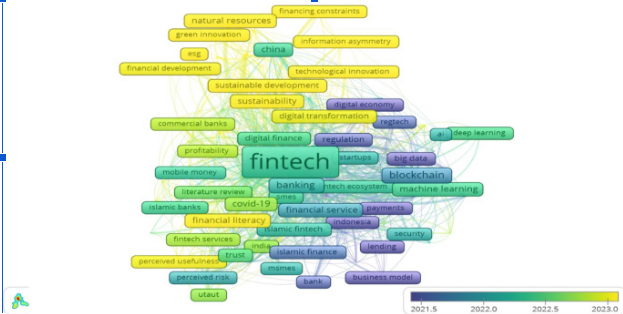
Pakistan’s financial landscape is going through a massive evolution. The days when banking was limited to visiting physical branches and filling out paperwork are fading fast. Today, the rapid growth of mobile wallets, Electronic Money Institutions (EMIs), and digital payments has turned Fintech into one of the fastest-growing sectors in the country.
Pakistan’s digital payment ecosystem has seen transaction values cross trillions of rupees, heavily driven by a tech-savvy youth population and structural shifts from the State Bank of Pakistan. For business graduates, this disruption means that traditional corporate paths are shifting toward digital product management, financial analytics, and strategic operations within highly dynamic financial technology platforms.
Why Business Students are Critical for the Fintech Revolution
There is a common misconception that Fintech is an industry exclusively reserved for software engineers and data analysts. While developers build the underlying algorithms, business professionals are the ones who understand market viability, customer retention, regulatory compliance, and revenue scaling.
Financial startups cannot survive on good code alone; they require strategic minds to design micro-lending models, manage merchant acquisition pipelines, and drive consumer growth. A business background equips graduates with the exact analytical framework required to assess market risks, study consumer behavior, and convert complex technology into everyday financial solutions for the masses.
To lead effectively in this modern tech-driven corporate environment, acquiring foundational corporate knowledge is essential, and pursuing a comprehensive BACHELOR OF BUSINESS ADMINISTRATION gives undergraduate students an early advantage by teaching them the core values of digital business structures and strategic planning.
Emerging Career Paths in the Digital Banking Sector
The fusion of finance and technology has birthed entirely new corporate roles that did not exist a decade ago. Graduates can step into high-impact positions such as Digital Product Managers, where they orchestrate how a digital wallet or banking app looks and operates based on user feedback.
Another booming area is Growth and Growth Marketing, where professionals use data analytics to maximize app downloads, increase daily active transactions, and build merchant network strategies. Furthermore, with the rise of strict digital regulations, Risk Management and Compliance specialists have become highly valued corporate assets, tasked with preventing digital financial fraud and keeping platforms aligned with international compliance frameworks.
Shaping Tomorrow’s Financial Leaders at TUF
As competition inside the domestic and international job markets scales up, simply having standard management skills is no longer enough to cut through the noise. Employers now hunt for advanced professionals who can blend macroeconomic intelligence with technical system execution. Institutions like The University of Faisalabad have strategically adapted their management sciences models to bridge the gap between traditional asset management and modern digital ecosystems.
For mid-career professionals looking to pivot or step directly into executive leadership roles within top-tier digital banks or global payment gateways, acquiring a specialized postgraduate degree like a MASTER OF BUSINESS ADMINISTRATION becomes the definitive stepping stone to mastering venture capital dynamics, corporate fintech strategies, and systemic digital scaling.
Conclusion
Fintech is no longer a temporary trend; it is the definitive future of global and local finance. As digital banks continue to roll out across Pakistan and massive international financial summits focus heavily on the country’s emerging marketplace, the scope for business graduates is limitless.
Moving forward, the most successful business professionals will be those who refuse to stay confined within traditional corporate boundaries. By aligning your educational journey with these digital advancements, you ensure that your career remains highly relevant, lucrative, and capable of leading the next massive wave of financial innovation.