The Gig Economy & Degrees: Balancing Freelancing with Full-Time University Life
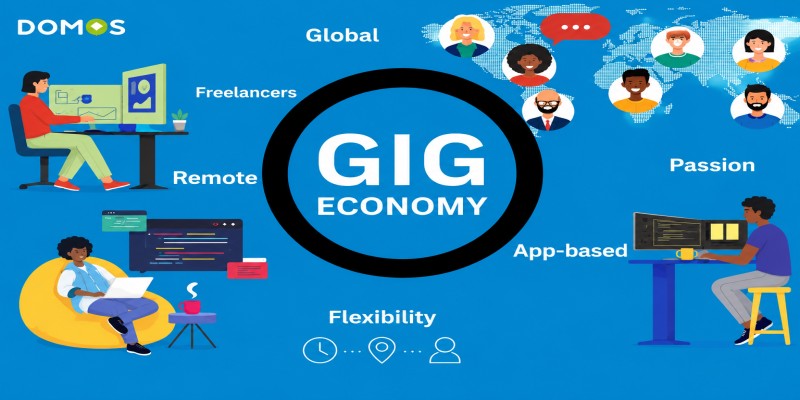
The rise of the global gig economy has opened up unprecedented financial opportunities for youth across Pakistan. Today, university students no longer have to wait until graduation to enter the professional job market or earn a decent income. By offering services like content writing, graphic design, web development, and digital marketing on international platforms, students can manage their own expenses. To explore more about how modern students are navigating career challenges, you can check out the insights on the Tuf blog. However, blending a demanding freelancing career with full-time academic responsibilities requires exceptional discipline.
The Challenges of Dual Commits
Managing client deadlines while keeping up with a strict university schedule introduces a unique set of challenges that can easily lead to burnout.
Time Management and Burnout
The most immediate obstacle is the lack of hours in a day. University life demands regular attendance, timely assignment submissions, and intense preparation for midterms and finals. When you add demanding international clients who operate in different time zones, sleep deprivation and exhaustion often follow.
Shifting Priorities
Another risk is letting short-term financial gains overshadow long-term academic goals. It is easy to get distracted by a high-paying freelancing project and neglect exam preparation. This imbalance can lead to a drop in GPA, missed classes, and a prolonged degree duration.
Strategic Frameworks for Successful Balance
Students can successfully manage both worlds by implementing practical strategies that safeguard their academic performance and professional reputation.
Rigid Scheduling and Time Blocking
Successful student freelancers do not rely on whims; they use strict time-blocking techniques. Dedicate specific hours of the day exclusively to university lectures and study, and set a separate, fixed window for freelance client work. Using digital calendars to map out your week ensures that assignment deadlines and project deliveries never collide.
Leveraging University Resources
Smart freelancing requires choosing an institution that supports digital growth. Participating in on-campus incubation centers, utilizing high-speed campus internet, and studying in quiet library spaces can significantly optimize your workflow. The University of Faisalabad provides an ideal ecosystem where tech-savvy students can access modern facilities and guidance to excel both academically and professionally.
Selecting the Right Projects
Not every freelance contract is suitable for a full-time student, and learning to filter clients is essential.
Prioritizing Long-Term Contracts Over One-Off Gigs
Instead of constantly chasing new, unpredictable projects, aim for retainer contracts that require a fixed number of hours per week. This predictability allows you to structure your academic calendar without sudden, unexpected work spikes.
Saying No During Exam Seasons
The ultimate rule of survival is pausing your freelance work during finals week. Inform your regular clients well in advance about your academic commitments. Most professional clients respect education and will gladly pause operations or adjust deadlines for a couple of weeks.
The Academic Path to Future-Proof Skills
While hands-on freelancing experience is invaluable, combining it with a formal degree ensures long-term career growth and leadership skills. If you are ready to pursue higher education in an environment that understands and supports modern digital trends, you can submit your application via the TUF Admission portal.
Conclusion
Balancing a freelance career with university life is challenging, but it prepares you for the modern professional world like nothing else. It teaches you project management, financial independence, and extreme accountability before you even graduate. By keeping your academic goals clear, setting strict boundaries with clients, and utilizing university support systems, you can earn a living today while building a rock-solid foundation for tomorrow.