Emotional Intelligence (EQ) vs IQ: The Secret Soft Skill Employers Look for in Fresh Graduates
For decades, the path to landing a dream job seemed straightforward. Students poured their energy into securing top grades, passing complex exams, and boosting their Intelligence Quotient (IQ).
However, corporate employers in the modern job market are shifting their focus. While technical competence and cognitive intelligence remain foundational, they are no longer the sole predictors of career success.
Today, Emotional Intelligence (EQ), the ability to understand, manage, and leverage emotions effectively, has emerged as the secret soft skill employers demand from fresh graduates. In fast-paced work environments, raw talent means very little if a professional cannot collaborate, handle stress, or communicate with empathy.
The Core Differences: Understanding IQ and EQ
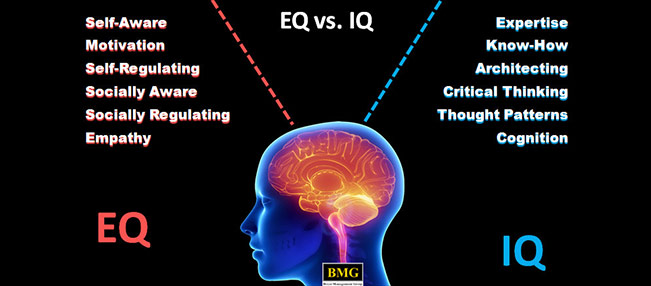
To navigate the professional world successfully, graduates must understand how these two distinct traits function together in the workplace. IQ measures an individual’s structural cognitive abilities, logical reasoning, and technical capacity to learn complex information.
EQ, on the other hand, centers around self-awareness, self-regulation, motivation, empathy, and social skills. While your IQ might get your resume through the initial screening phase, it is your EQ that helps you ace the interview and climb the corporate ladder.
To build these critical emotional frameworks early, institutions like The University Of Faisalabad place a strong emphasis on holistic student development. By balancing academic rigor with personal growth initiatives, universities ensure that graduates enter the job market with both the technical knowledge and interpersonal maturity required to thrive.
Why Employers Prioritize EQ in Fresh Graduates
The transition from a university classroom to a corporate office is often a massive culture shock for young professionals. Fresh graduates are suddenly required to work in diverse teams, handle critical feedback from managers, and deal with tight, high-pressure project deadlines.
Employees with low EQ frequently struggle with workplace criticism, struggle to adapt to sudden organizational changes, and allow minor professional friction to blow up into toxic team conflicts.
Conversely, high-EQ graduates possess the self-regulation needed to stay calm under intense pressure. They view constructive criticism as an opportunity for self-improvement rather than a personal attack, making them highly coachable and resilient assets to any corporate team.
Building Soft Skills Beyond the Classroom
Emotional intelligence is not a static trait that you are simply born with; it can be actively developed and refined over time through practical exposure and real-world collaboration.
Engaging in structured campus life outside of standard lectures is a fantastic way to sharpen these social skills. Participating in diverse student organizations and co-curricular-activities forces individuals to manage team dynamics, negotiate conflicting ideas, and lead peers toward shared institutional goals.
These interactive campus experiences teach students how to read social cues, practice active listening, and motivate others, skills that translate directly into the collaborative environments of modern corporate enterprises.
Critical Thinking and Collaborative Success
Developing a high level of emotional intelligence also significantly improves a graduate’s capacity for advanced analytical tasks and project management.
When students engage in collaborative intellectual pursuits early, they learn to separate their personal egos from objective data. A strong culture of Undergraduate Research teaches young scholars how to accept peer reviews, collaborate on complex studies, and defend scientific hypotheses without becoming defensive.
This unique combination of intellectual curiosity and emotional maturity is exactly what modern employers look for when sourcing fresh talent for high-level management trainee programs and technical research positions.
Practical Ways to Boost Your Workplace EQ
If you are a student or a recent graduate looking to enhance your professional appeal, you can start practicing specific emotional habits immediately to raise your workplace readiness.
First, focus heavily on active listening by giving your full attention to speakers without immediately formulating a counter-response in your head. Second, practice pausing for a few seconds before responding to stressful emails or challenging workplace situations to ensure your answers remain professional rather than emotional.
Finally, actively seek out feedback from mentors, teachers, and peers. Embracing external perspectives with an open mind allows you to map your emotional blind spots and continuously improve how you interact with colleagues.
Conclusion
The modern workplace is highly collaborative, fast-moving, and emotionally demanding. While your academic degrees and technical IQ open the door to initial professional opportunities, your emotional intelligence determines how far you will go.
By actively developing your self-awareness, empathy, and collaborative skills during your academic journey, you transform yourself into a highly desirable candidate for forward-thinking employers.
Investing in your EQ is the ultimate strategy for self-improvement, ensuring you transition smoothly from an ambitious fresh graduate into an impactful corporate leader.