Global Academic Excellence and the Strategic Importance of International Partnerships
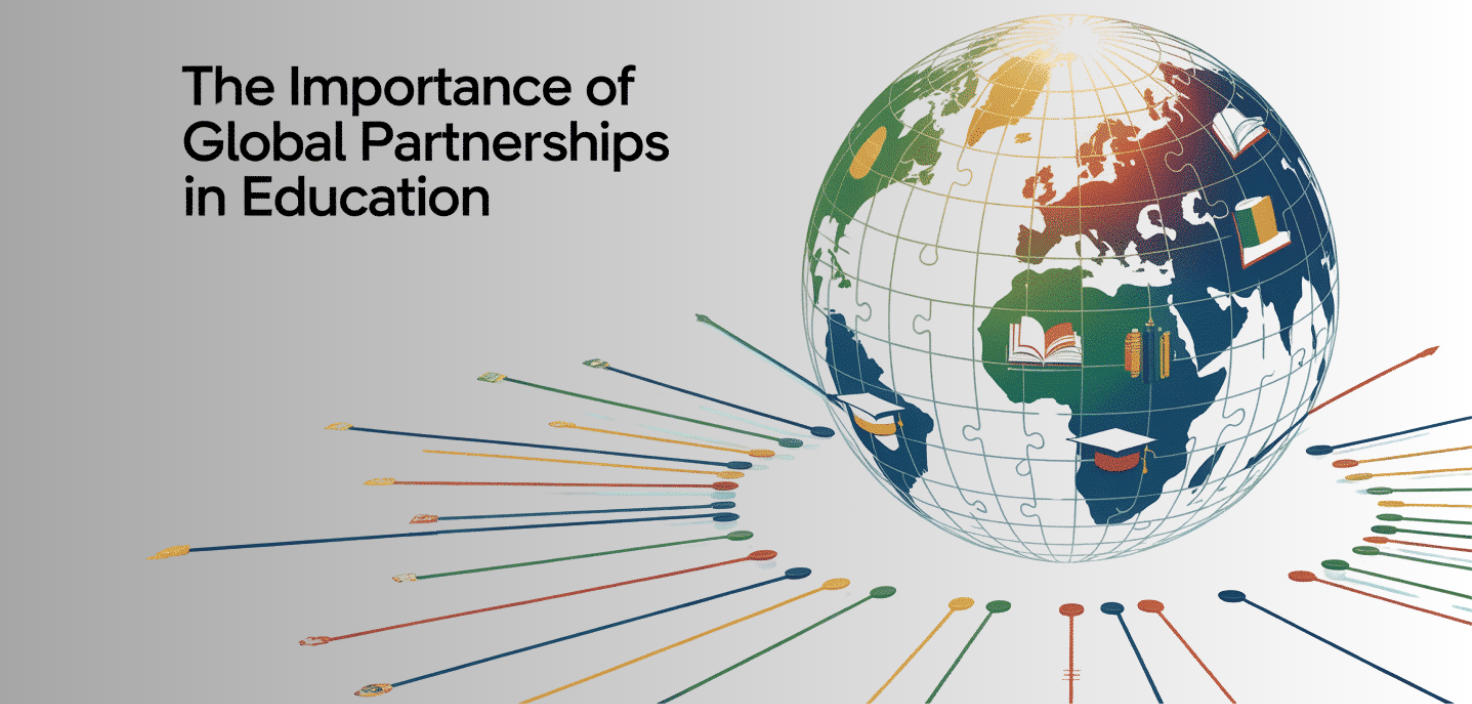
The landscape of higher education is rapidly evolving beyond local boundaries as universities worldwide strive to provide students with a truly global perspective. In this competitive era, the quality of an educational institution is often defined by its ability to connect with international centers of excellence.
These connections, formalised through Strategic Partnerships and Memorandums of Understanding (MOUs), act as a bridge that allows knowledge, culture, and innovation to flow freely between nations.
Understanding the Purpose and Power of International MOUs
International MOUs are much more than mere formal agreements on paper; they represent a commitment to shared growth and academic evolution. The primary purpose of signing these agreements is to create a collaborative ecosystem where universities can pool their resources to solve complex global challenges.
By aligning with foreign institutions, universities can adopt international best practices in teaching and administration, ensuring that their curriculum remains relevant in a global job market.
- These partnerships facilitate a deep exchange of intellectual capital by allowing researchers to work across borders and access laboratories or data that might not be available locally.
- They serve as a foundation for cultural diplomacy, helping students and faculty understand different societal norms and professional ethics, which are crucial for modern career success.
- Institutional collaborations often lead to the standardisation of credit hours and grading systems, making it significantly easier for students to pursue higher studies abroad without facing bureaucratic hurdles.
- By sharing costs and expertise, universities can host international conferences and workshops that bring global experts directly to the local student body.
Driving National Progress through Academic Collaboration
When a national institution signs a global partnership, the benefits extend far beyond the campus walls to the entire country. Such alliances improve the national ranking of a country’s educational sector, attracting foreign interest and potential investment in research and development.
It helps in reversing the ‘brain drain’ by providing local students with international-level facilities and degrees right at home, ultimately producing a workforce that can compete with the best in the world.
- A stronger educational sector contributes directly to the national economy by producing highly skilled graduates who can attract multinational companies to the region.
- International collaborations often focus on sustainability and social issues, bringing global solutions to local community problems such as healthcare, water management, and energy efficiency.
- These agreements help in building a positive image of the country as a hub for intellectual and cultural exchange, fostering better bilateral relations between nations.
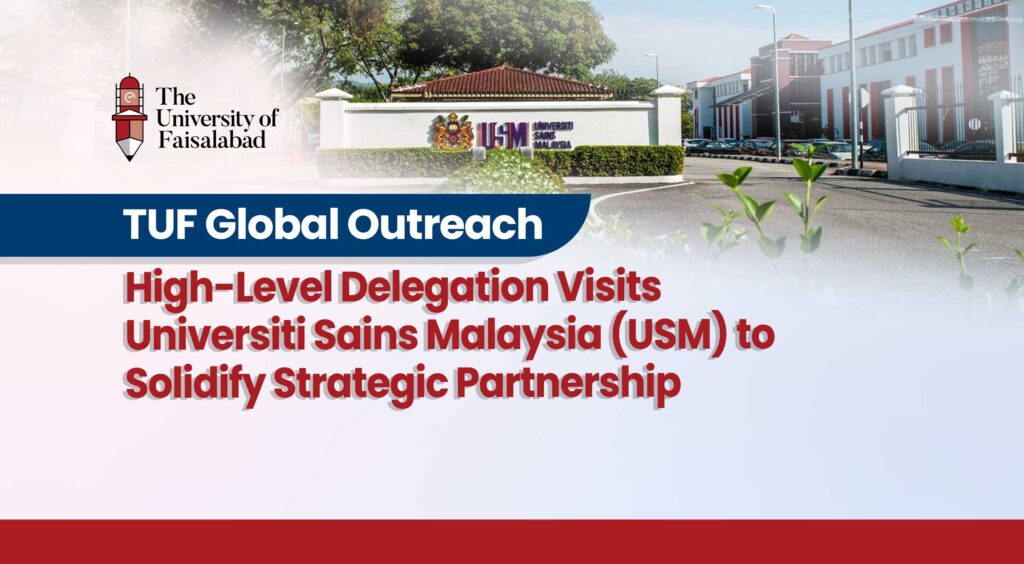
Following the landmark Memorandum of Understanding signed in November 2025, a senior leadership delegation from TUF, the University of Faisalabad, conducted a high-profile courtesy visit to Universiti Sains Malaysia. This visit was led by the Patron-in-Chief, Mian Muhammad Hanif, and included key leadership such as Dr Muhammad Hamza Amin and Dr Abu Bakar.
The purpose of this visit was to solidify a strategic partnership that moves beyond formal agreements into concrete action plans. By focusing on joint degree initiatives and exchange programs, this collaboration between TUF and USM aims to provide students with unparalleled global opportunities and foster a multicultural learning environment that bridges two centers of excellence.

How Students Benefit from Global Institutional Ties
For the individual student, these partnerships are a gateway to a world of possibilities that transform their academic journey into a global experience. The direct exposure to international faculty and different pedagogical styles helps students develop critical thinking and adaptability.
It removes the geographical barriers to high-quality education and provides a competitive edge when applying for jobs at international firms or pursuing research grants.
- Students gain access to semester exchange programs where they can study in a foreign environment for a fraction of the usual cost, gaining life-changing cultural insights.
- The possibility of dual or joint degree programs allows students to earn a qualification that is recognized and respected by employers in multiple countries.
- Exposure to international research projects enables students to get their work published in global journals, significantly boosting their professional portfolios.
- The networking opportunities provided during international seminars and exchange visits often lead to internships and career placements in global markets.
Shaping the Future of Higher Education in Pakistan
As we move forward, the focus of higher education in Pakistan must remain on quality and global integration to ensure our youth can lead in the digital age. Institutions that proactively seek out international alliances are the ones that will define the future of the country.
By prioritizing these strategic ties, we are not just educating individuals; we are building a more informed, skilled, and globally connected society that is ready to meet the challenges of tomorrow with confidence. For a more informative blog, visit our website!