The Data Science Lifecycle: From Raw Numbers to Smart Business Decisions
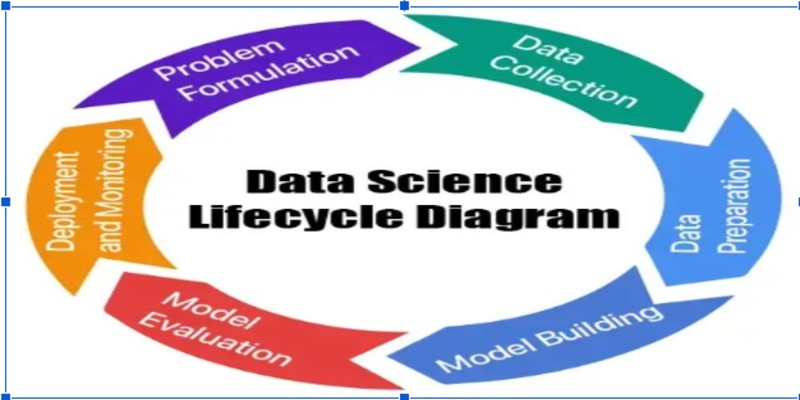
In the modern digital economy, data is often called “the new oil.” However, much like crude oil, raw data is rarely useful in its natural state. To extract value, it must be refined through a structured process. This journey from a chaotic sea of numbers to actionable business intelligence is known as the Data Science Lifecycle. For those looking to master this process, a BS Data Sciences provides the foundational expertise needed to navigate each stage effectively.
Business Understanding: Defining the Goal
The lifecycle doesn’t begin with a spreadsheet; it begins with a question. A data scientist must first identify the business problem.
- Key Question
Are we trying to reduce customer churn, predict sales for next quarter, or automate manual entries?
- Outcome
A clear project charter and defined metrics for success.
Data Acquisition and Exploration
Once the goal is set, the hunt for data begins. Data is gathered from various sources, including web scraping, SQL databases, or APIs.
- EDA (Exploratory Data Analysis)
This is where scientists use charts and statistics to spot patterns, outliers, or missing values.
Data Preparation (The “Cleaning” Phase)
Data is messy. It often contains duplicates, errors, or inconsistent formatting. Data preparation often consuming 80% of a scientist’s time and involves:
- Cleaning
Handling missing values.
- Transformation
Normalizing scales (e.g., converting all currencies to USD).
- Feature Engineering
Creating new variables that might help a model predict better.
Modeling and Evaluation
This is the “science” part. Using machine learning algorithms, the data is trained to recognize patterns.
- Training
Feeding data into models like Linear Regression or Neural Networks.
- Testing
Checking the model against new data to see if its predictions are accurate.
Deployment and Monitoring
A model is useless if it sits on a laptop. It must be integrated into a business environment (like a mobile app or a dashboard).
- Action
The model provides real-time insights to stakeholders.
- Maintenance
Models can “drift” over time as trends change, requiring regular updates and recalibration.
Your Path to Becoming a Data Professional
The demand for experts who can bridge the gap between technical data and business strategy is at an all-time high. Understanding this lifecycle is the first step toward a lucrative career.
Educational Foundations
Whether you are starting your journey or looking to pivot, choosing the right institution is critical. For instance, the transition From Admission to Career requires a curriculum that balances theory with hands-on application.
Take the Next Step
If you’re ready to transform your analytical curiosity into a professional career, explore the opportunities available at TUF Admission. By mastering the data science lifecycle, you don’t just see numbers; you see the future of business.
Conclusion
The Data Science Lifecycle is more than just a technical workflow; it is a strategic roadmap that transforms raw, chaotic data into the heartbeat of informed decision-making. By meticulously moving from business understanding to model deployment, organizations can stop guessing and start predicting.
In an era where data-driven companies outperform their competitors by a wide margin, mastering this lifecycle is no longer optional; it is the key to sustainable growth and innovation. Whether you are a business leader or an aspiring specialist, embracing this process ensures that every number tells a story that leads to success.