Telehealth & Digital Healthcare: The Next Big Wave for Medical Graduates
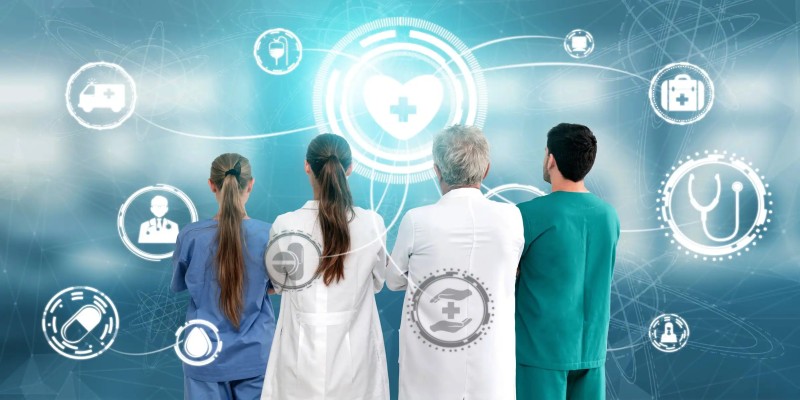
The global healthcare landscape is undergoing a massive paradigm shift driven by rapid technological advancements. For decades, medical education and clinical practice relied almost entirely on traditional, in-person patient interactions. However, the integration of digital networks, mobile technology, and remote monitoring systems has given rise to a new era of medical delivery. Telehealth and digital healthcare platforms are no longer just temporary alternatives used during global emergencies; they have firmly established themselves as the next big wave transforming the profession for upcoming medical and allied health sciences graduates.
As healthcare infrastructure evolves, future doctors, nurses, pharmacists, and physical therapists must prepare for a clinical environment that is increasingly decentralized. Emerging professionals who embrace these virtual care methodologies early in their careers will find themselves uniquely positioned to lead modern medical institutions, improve patient accessibility, and streamline clinical workflows globally.
The Transformation of Traditional Clinical Practice
Telehealth is fundamentally changing how medical professionals interact with patients by breaking down geographical and logistical barriers. In the past, managing chronic illnesses or providing routine follow-up consultations required patients to travel long distances, leading to crowded clinics and delayed care. Digital healthcare allows medical practitioners to conduct real-time video consultations, monitor vital signs remotely via wearable medical devices, and securely manage digital health records across distributed cloud networks.
For young medical graduates, this shift means that clinical responsibilities will extend far beyond the physical walls of a hospital ward. Developing strong digital communication skills, understanding the ethics of virtual patient data management, and mastering remote diagnostic techniques are becoming just as vital as learning physical examination procedures. This evolution does not replace the human touch of medicine but rather enhances it, allowing healthcare providers to extend their reach to underserved rural populations and urban patients requiring continuous care management.
Preparing the Next Generation of Medical Professionals
Succeeding in this tech-driven medical ecosystem requires a foundational shift in how healthcare professionals are trained. Academic institutions must bridge the gap between traditional clinical science and modern digital infrastructure. Forward-thinking universities are already restructuring their curricula to ensure that students gain hands-on experience with medical software, electronic health record (EHR) systems, and remote clinical protocols before entering the professional workforce.
Institutions committed to this educational modernization, such as The University Of Faisalabad, are actively shaping how future practitioners engage with medical technology. By integrating advanced digital frameworks into healthcare education, the next generation of doctors and allied health professionals can seamlessly transition into a workforce where virtual clinics and AI-assisted diagnostics are standard practice. Aspiring medical students looking to join an ecosystem that values both clinical excellence and digital innovation can explore modern enrollment paths directly through the TUF Admission portal.
The Role of Artificial Intelligence and Automation in Medicine
Beyond remote consultations, the intersection of artificial intelligence and clinical workflow is automating many of the time-consuming administrative and diagnostic tasks that traditionally burdened healthcare workers. Machine learning algorithms are now utilized to analyze medical imaging, predict patient deterioration trends, and sort massive databases of clinical research in seconds. This allows medical practitioners to spend less time on manual paperwork and more time focused on direct, specialized patient care.
Medical and allied health students must stay informed about the broader technological shifts influencing academic and professional life. Understanding how automation platforms streamline productivity is crucial for any modern professional. To gain a competitive edge and learn how digital intelligence is transforming standard workflows, students can read through the comprehensive guide on the Top AI Tools Every University Student Should Learn in 2026, which highlights essential software solutions that optimize study habits and professional efficiency alike.
Conclusion
The digital healthcare revolution offers unprecedented career opportunities for medical and allied health sciences graduates who are willing to adapt. Telehealth, remote diagnostics, and artificial intelligence are not replacing the core values of medicine; instead, they are providing powerful new tools to deliver safer, faster, and more accessible patient care. By embracing these technological shifts during their academic journeys, future healthcare leaders ensure they remain highly competitive and fully capable of driving medical progress in a connected world.